Religious Figures · 18th Century
Alexander Pope’s Last Words
“Here am I, dying of a hundred good symptoms.”— Alexander Pope, May 30, 1744
Who Was Alexander Pope?
Alexander Pope was the foremost English poet of the early 18th century, famous for The Rape of the Lock and An Essay on Man. His sharp wit and satirical couplets remain unmatched.
The Final Moments
Pope suffered from lifelong health problems due to tuberculosis of the spine. His doctor reportedly listed encouraging symptoms, prompting Pope's wry response about dying from good ones.
Are These Words Verified?
Reported by friends including Joseph Spence who was present during Pope's final illness. Contemporary biographies record this statement, though exact phrasing varies slightly across sources.
Sources
- firsthand Joseph Spence's Observations, Anecdotes, and Characters of Books and Men
- biography Samuel Johnson's Lives of the Most Eminent English Poets
- biography Owen Ruffhead's Life of Alexander Pope (1769)
Legacy
Pope's quotable couplets — 'To err is human; to forgive, divine' and 'A little learning is a dangerous thing' — are among the most cited in English.
Frequently Asked Questions
What were Alexander Pope’s last words?
“Here am I, dying of a hundred good symptoms.”
How did Alexander Pope die?
Alexander Pope died on May 30, 1744 at the age of 56. Cause of death: Dropsy and asthma.
Were Alexander Pope’s last words documented?
Reported by friends including Joseph Spence who was present during Pope's final illness. Contemporary biographies record this statement, though exact phrasing varies slightly across sources.
More from Religious Figures
See all →Malcolm X
“Brothers! Brothers, please! This is a house of peace—”
Voltaire
“Now, now, my good man, this is no time for making enemies.”

Fidel Castro
“Unknown — he died peacefully at age 90.”
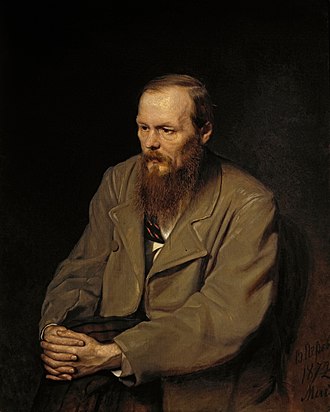
Fyodor Dostoyevsky
“It is finished! I always knew that I would die on this day.”